PortsBy Cruise Frog Editorial
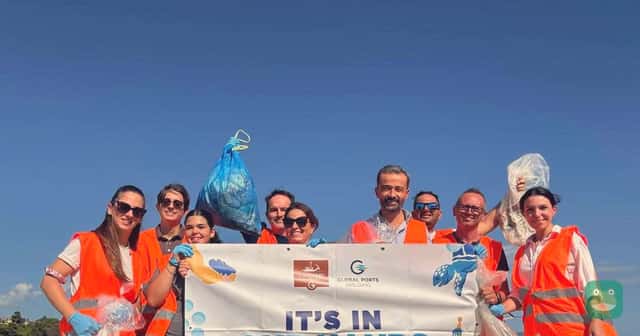
Global Ports Holding says coordinated coastal cleanups across its port network collected approximately 11 tons of waste. In an October 9 update, the operator reported participation by more than 350 volunteers and 32 partner organizations over 30 hours of cleanup activity.
The initiative brought together employees, communities and cruise-industry partners. GPH says participants also gathered debris data for marine-pollution research and its sustainability reporting, giving the activity a purpose beyond removing waste on the day.
A reported result with a defined scope
The weight, volunteer count and activity hours provide concrete measures of the effort described by GPH. They are figures supplied by the operator. The announcement does not present an independent assessment of the environmental performance of every cruise visiting those ports.
That distinction helps readers assess the news on its own terms. A cleanup addresses waste in the places where volunteers work. It is different from measuring ship emissions, water quality or the long-term condition of every destination in a company’s network.
The activity’s data collection is also relevant. Recording the debris found can support a better understanding of the material reaching shorelines. Further reporting would be needed to show how the recorded information is used and what changes follow from it.
Ports participate in the destination beyond the terminal
Cruise-port coverage often focuses on terminal capacity and new buildings. This announcement concerns the community and coastline around port operations. Both are part of the visitor destination, although they involve different kinds of investment and outcomes.
For a traveler, the report may help identify the organizations working locally. It does not establish that a volunteer activity is available to passengers on a particular call. Anyone interested in participating should use a confirmed event listing and current organizer instructions.
The operator’s named initiative is a network effort. Individual ports may have their own projects, locations and partners. A local announcement can therefore provide more detail than the group-level totals when a reader wants to understand one destination.
Read local reporting alongside the network figures
GPH’s October update supplies an overall account of the coordinated activity. Readers can compare it with port-level information about where cleanups happened, how material was recorded and which local organizations took part.
That comparison also keeps scale clear. A network total should not be presented as the amount collected at any one port. A local volunteer count should likewise remain attached to the specific event it describes.
The Las Palmas port page and San Juan port page provide existing destination context within the wider cruise-port landscape. Their passenger information remains separate from the environmental results reported here.
The concrete news is the operator’s account of a coordinated cleanup and its reported collection total. Follow-up reporting on local activities and the use of debris data would help readers assess the continuing work. The announcement itself is a snapshot of the 2026 initiative, with its measurements attributed to GPH.
Related port and travel resources
Browse Cruise Frog’s port directory and Ports stories for more destination reporting. The ship directory helps connect a port call with the vessel operating it. If the trip includes flights, Lounge Frog’s airline directory and lounge directory provide existing resources for the airport segment. Flight-related access rules remain separate from cruise-terminal facilities.
Source: Official port announcement. Checked October 13, 2026.
Photo: Coastal cleanup volunteers; official Global Ports Holding photograph · Global Ports Holding