Cruise linesBy Cruise Frog
HX suits travelers who want a polar or remote-coast voyage with a strong learning element: couples and solo travelers interested in wildlife, science and history, and people who like an inclusive fare and a casual Nordic atmosphere more than formal luxury. The hybrid sisters have more facilities, including pools, hot tubs and several restaurants, while Fram and Spitsbergen trade some amenities for fewer guests, and Santa Cruz II covers the Galápagos.
This assessment looks at the product and its fit for different travelers. The strengths are reasons to consider the line, rather than a promise that every guest will value them equally. Ship details and fare terms still matter.
1. Science built into the voyage
Science Centre activities and citizen-science projects give guests a way to participate in learning. The program connects the ship's indoor spaces with the landscape outside. It suits travelers who want their expedition to include questions, observations and context as well as photographs.
2. Guides at the heart of each day
An expedition team shapes outings and talks around the destination. That makes the people leading the voyage part of the product's value. Compare the actual expedition program, since the number of stops alone does not reveal what guests will learn or do.
3. A useful inclusive fare
Meals, drinks, gratuities and core daily expedition activities are bundled. That helps guests understand much of the cost before traveling to a remote region. Check the exact voyage for optional activities and travel arrangements, since the package is not a promise that every trip expense is included.
4. Modern hybrid expedition hardware
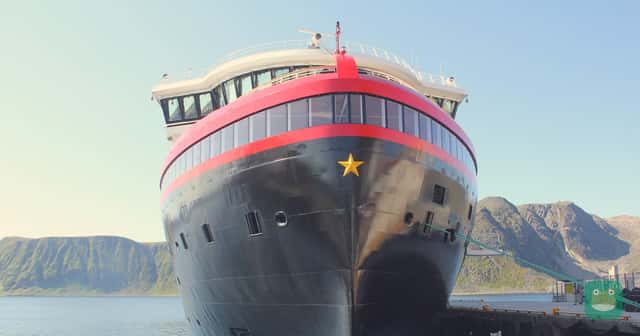
Roald Amundsen and Fridtjof Nansen give HX a recognizable modern ship concept. Their battery-hybrid systems are one part of the design. Guests can choose that hardware while still comparing guest capacity, outdoor access and cabin layout with smaller expedition vessels.
5. Several distinct expedition regions
Antarctica, northern destinations and the Galápagos give returning guests different landscapes under the same expedition brand. The ships and local arrangements differ between programs. That range is useful, but the right comparison is the specific voyage rather than the name on the brochure.
The drawback: It does not keep every expedition group small
The larger HX ships can carry substantially more guests than small specialist vessels. Landing rotations and time ashore deserve attention, especially in Antarctica. A larger ship may provide more indoor facilities, but guests who prioritize the smallest possible group should compare capacity and landing arrangements carefully.
Before you book
Compare the ship, guest capacity and actual activity program before booking. Optional activities may need advance arrangements and appropriate fitness. Weather and safe operating conditions can change the route and landings. Choose an expedition for its overall approach to the destination, rather than for a single wildlife sighting or stop that cannot be guaranteed.
The cruise format
Fares include meals, gratuities, drinks, daily excursions and Science Centre activities, and every voyage carries an expedition team of naturalists and guides. Antarctic voyages sail mainly round trip from Ushuaia, while the northern program covers Norway, Svalbard, Greenland and the British Isles.
Sources
Cruise Frog’s HX Hurtigruten Expeditions profile; official cruise line information.
Editorial assessment of published product information; no firsthand sailing experience is claimed. Ship features, inclusions and departure programs vary. Updated October 14, 2026.
Photo credit
Roald Amundsen, 2018. Photo: Birgitta Michal, CC BY-SA 2.0, via Wikimedia Commons. Original source. Image license. The image is cropped and resized for this page. The adapted image is distributed under the same license.
Photo: Roald Amundsen, 2018 · Photo: Birgitta Michal, CC BY-SA 2.0, via Wikimedia Commons
More onHX Hurtigruten Expeditions