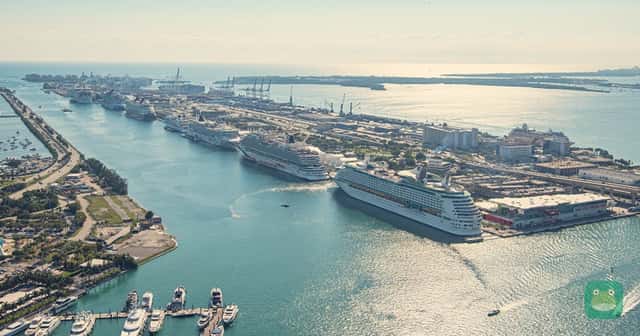
PortMiami is asking cruise passengers to use the entrance matched to their terminal and arrive at their assigned embarkation time as it prepares for a crowded winter season.
Miami-Dade County outlined the plan in an Oct. 16 release. The port expects 81 high-season days with seven to 10 ships calling, making the route to the terminal a practical part of cruise planning.
Which entrance serves your terminal
The county directs passengers for terminals AA, A, B, C, and D through the PortMiami Tunnel. Passengers for terminals E, F, G, J, and V should use the PortMiami Bridge.
The announcement also describes traffic monitoring and law-enforcement support on selected dates. It urges passengers to arrive at their scheduled embarkation time.
A pilot for Carnival Celebration passengers includes complimentary transfers to Miami International Airport on select dates, beginning in October. A selected-date airport shuttle program for Icon of the Seas passengers is also continuing.
These are specific programs. The release does not establish free airport transfers for every passenger or every cruise.
Confirm the terminal before starting the journey
Use the terminal shown in your cruise documents and check for updates close to departure. A familiar ship or cruise line name is not a substitute for the terminal assigned to your sailing.
Share the terminal and entrance guidance with your driver. Save the information on your phone so you can refer to it without searching through a long email at the curb.
If several households are traveling together, make sure each has the same current instructions. One person following an old arrival message can complicate the group's plan.
The entrance guidance is intended to distribute traffic more effectively. Follow current signs and directions from port staff if the on-the-day route changes.
Arrive for the time you have been given
An assigned arrival window is different from the ship's departure time. Plan the trip to the port around the check-in instructions in the booking.
Arriving far ahead of the window may add to congestion rather than make boarding easier. At the same time, leave a realistic buffer for the journey so a routine road delay does not create unnecessary pressure.
Keep documents and essential items accessible when you reach the terminal. Avoid packing something needed for check-in in a bag you intend to hand over immediately.
If you are staying nearby the night before, confirm the hotel's transfer arrangements and pickup time. If using a hired vehicle, provide the ship, terminal, and arrival window when making the booking.
Check shuttle eligibility separately
Passengers interested in the airport shuttle pilots should ask the cruise line whether their date is included and how the service is arranged. Confirm baggage handling, departure point, and flight requirements before relying on it.
A free transfer can be useful only if it fits the actual journey. Keep a fallback plan until eligibility and timing are confirmed.
For broader trip research, use Cruise Frog to review the ship and itinerary, then use the cruise line's current travel documents for operational instructions.
The port's plan gives passengers two clear actions: choose the entrance for the assigned terminal and use the scheduled arrival time. Those details are worth checking before every sailing, even for travelers who have cruised from Miami before.